
We’ve spent a lot of time learning about how invasive plants can upset our native plant ecosystems. For our February 19, 2026 Eugenia Chapter meeting Ken Gioeli, retired UF/IFAS Extension Agent informed us of other perils that are posed by invasive reptiles and amphibians. Ken’s easy-going, entertaining demeanor and first-hand experiences really drew everyone’s attention.
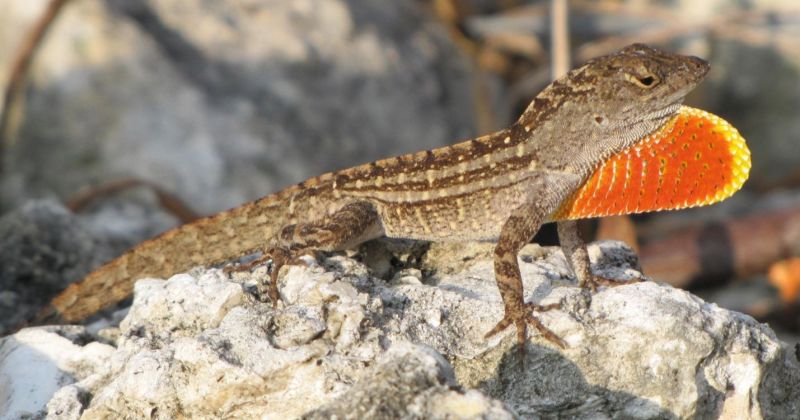
Florida has reached the point where there are now more non-native lizards breeding in the State than our native species. Recent reports indicate there are 205 exotic reptile species and 21 exotic amphibian species. Think about the last time you saw a green anole, one of our classic, well-liked reptilian residents. They have been pushed out by overpopulations of the brown anole (pictured above, Steve A. Johnson, UF/IFAS), curly-tailed lizard, tegu, green iguana, and agama.
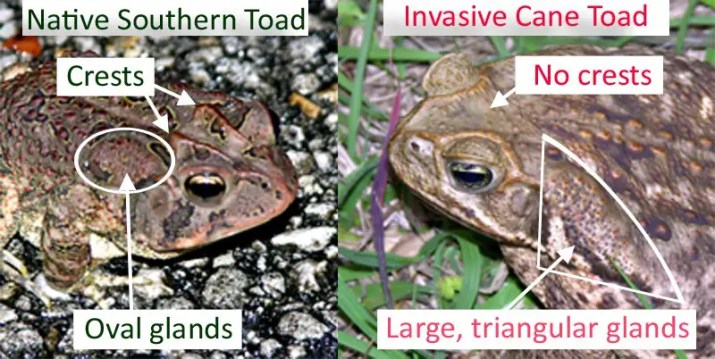
While invasive reptiles and amphibians don’t generally eat our native plants, they still pose direct threats to the native food web. Most of the invasives are very aggressive and have cannibalistic feeding habits. Desirable insects (think our favorite pollinators!) are preyed upon. Larger species may consume bird eggs. Cane toads (pictured below) pose a possible fatal threat to our pets from their toxic secretions.
These four-legged invaders can be controlled with various traps and plain, old-fashioned flat shovels. Rally your neighbors for a big day of hunting!
 ircnativeplants.org